
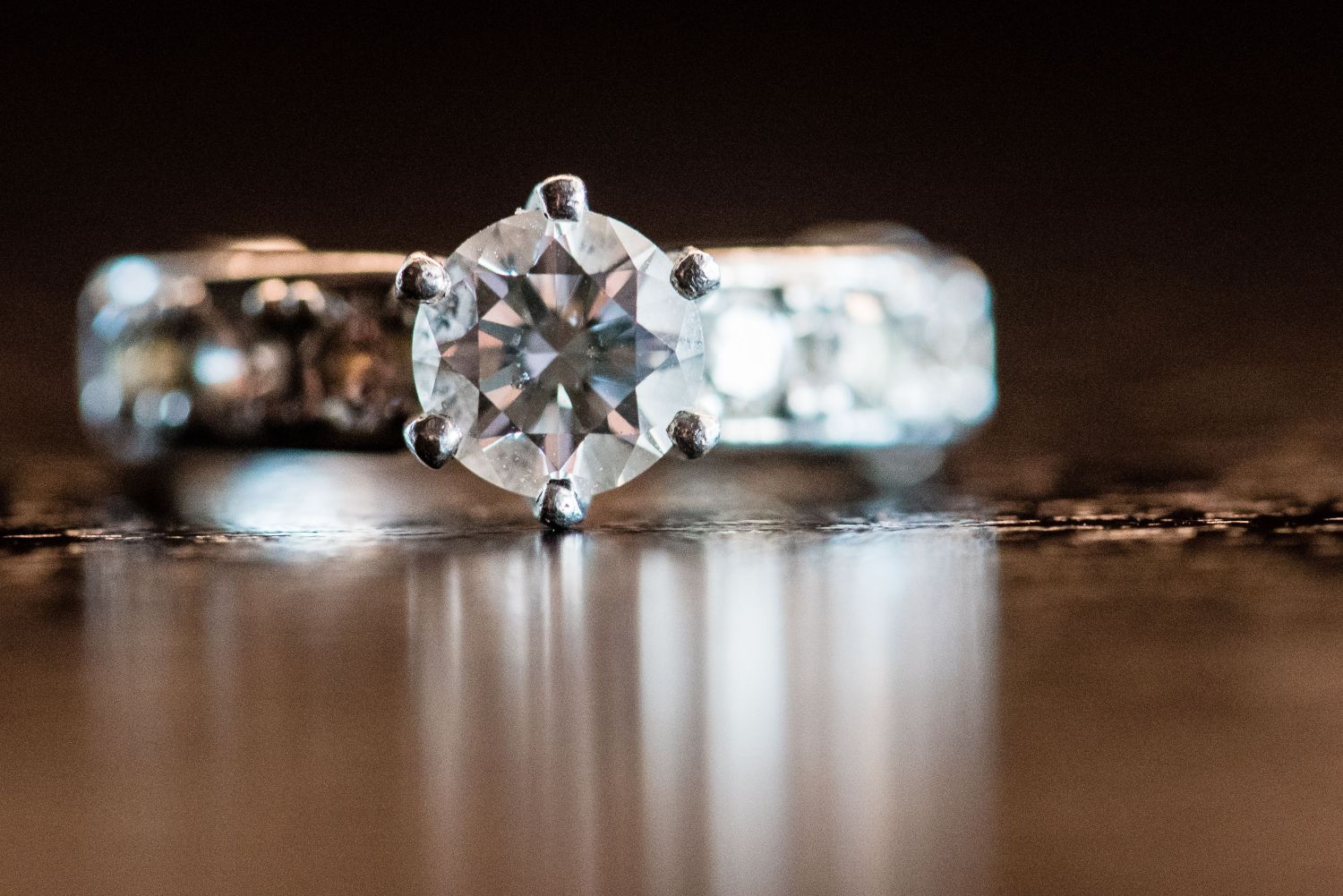
When it comes to purchasing a diamond ring, many consumers find themselves overwhelmed by the wide range of prices available. Two rings that appear similar can have drastically different price tags, leaving buyers wondering what justifies the disparities. Understanding the hidden factors that influence diamond ring prices is essential for making an informed decision. In this article, we will explore the key elements that contribute to the pricing of diamond rings, including the Four Cs, market trends, and additional factors that may not be immediately apparent.
1. The Four Cs of Diamonds
1.1 Cut
The cut of a diamond refers to how well it has been shaped and faceted. It affects the diamond’s brilliance and sparkle. A well-cut diamond will reflect light beautifully, while a poorly cut diamond may appear dull. The cut is graded on a scale from Excellent to Poor, and diamonds with higher cut grades tend to command higher prices.
1.2 Color
Diamonds come in a range of colors, typically graded from D (colorless) to Z (light yellow or brown). Colorless diamonds are rarer and more desirable, leading to higher prices. Subtle differences in color can significantly affect the value of a diamond, with even slight variations resulting in noticeable price disparities.
1.3 Clarity
Clarity refers to the presence of internal or external flaws, known as inclusions and blemishes. Diamonds with fewer imperfections are considered more valuable. Clarity is graded on a scale from Flawless (no inclusions visible under a microscope) to Included (inclusions visible to the naked eye). Higher clarity grades result in higher prices.
1.4 Carat Weight
Carat weight measures the size of the diamond. Larger diamonds are rarer and typically more expensive. However, the relationship between carat weight and price is not linear; the price per carat can increase significantly as the carat weight increases. For example, a 2-carat diamond may cost significantly more than two 1-carat diamonds due to the rarity of larger stones.
2. Certification and Grading Reports
Importance of Certification
Diamonds are often evaluated and graded by independent gemological laboratories, such as the Gemological Institute of America (GIA) or the American Gem Society (AGS). A certification from a reputable lab provides buyers with assurance regarding the quality and authenticity of the diamond.
Impact on Price
Diamonds with certified grading reports tend to have higher prices due to the added assurance of quality. Buyers are often willing to pay a premium for certified diamonds, knowing they have been evaluated by experts. A well-documented certificate can also enhance resale value.
3. Market Trends and Demand
Supply and Demand Dynamics
The diamond market is influenced by supply and demand dynamics. Economic conditions, consumer preferences, and fashion trends can impact the price of diamonds. For example, during economic downturns, the demand for luxury items like diamond rings may decrease, leading to price fluctuations.
Seasonal Trends
Certain times of the year, such as holidays or engagement season, can lead to increased demand for diamond rings. This seasonal demand can drive prices higher during peak times, while off-peak seasons may see lower prices due to reduced consumer interest.
4. Brand and Retailer Influence
Brand Reputation
The brand of the jeweler can significantly influence the price of diamond rings. Established brands with a strong reputation for quality and craftsmanship often charge a premium for their products. Consumers may be willing to pay more for a ring from a well-known brand due to perceived value and trust.
Retailer Markup
Different retailers have varying pricing strategies and markups. Some may offer lower prices due to lower overhead costs, while others may include significant markups for luxury presentation and customer service. It’s essential to shop around and compare prices from multiple retailers to ensure you are getting the best deal.
5. Additional Factors
Metal Choice
The type of metal used in the ring can also impact the overall price. Common options include platinum, white gold, yellow gold, and rose gold. Platinum is generally the most expensive due to its durability and rarity, while gold prices fluctuate based on market conditions.
Customization and Design
Custom-designed rings may carry higher prices due to the craftsmanship involved. Intricate designs, additional gemstones, and unique settings can all contribute to increased costs. If you choose to create a bespoke piece, be prepared for a higher price point.
Ethical Considerations
The source of the diamond can also affect its price. Ethically sourced and conflict-free diamonds may come at a premium due to the ethical implications of their mining. Buyers increasingly prioritize ethical considerations, which can lead to higher prices for responsibly sourced diamonds.
Conclusion
Understanding the hidden factors behind diamond ring price disparities is essential for making informed purchasing decisions. By considering the Four Cs—cut, color, clarity, and carat weight—alongside certification, market trends, brand influence, and additional factors, you can better appreciate the value of the diamond you choose. Whether you’re shopping for an engagement ring or a special gift, being knowledgeable about these elements will empower you to find a diamond ring that not only fits your budget but also captures the significance of the occasion. With the right information, you can confidently navigate the world of diamonds and find the perfect ring that reflects both beauty and value.