
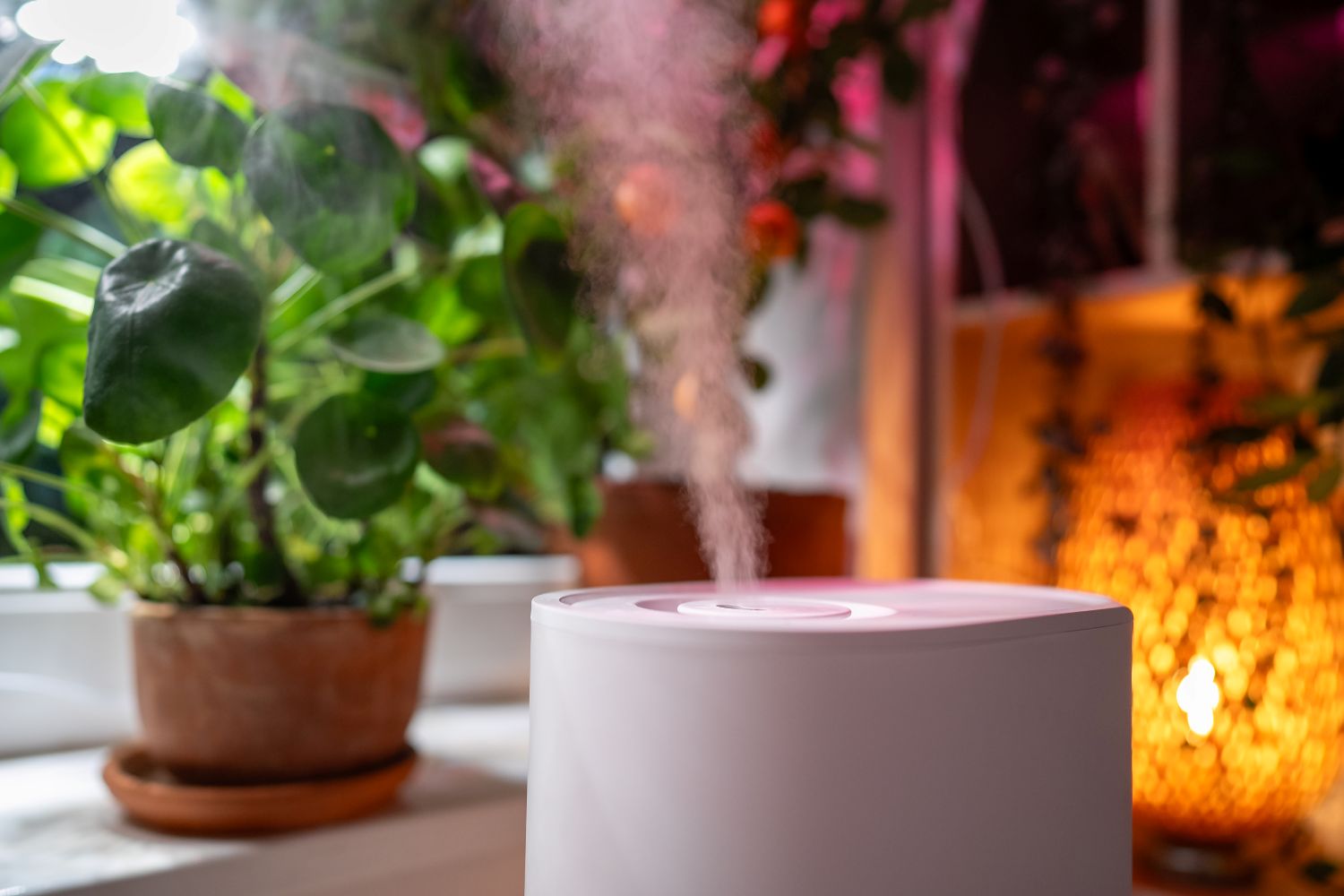
When most people think of dehumidifiers, they often associate them with reducing humidity levels and preventing musty odors in damp spaces. However, the benefits of these devices extend far beyond mere moisture control. Dehumidifiers possess a hidden superpower—effectively combating odors, mold, and harmful microbes that thrive in high-humidity environments. In this article, we will explore how dehumidifiers work, their role in improving indoor air quality, and the advantages of using them to create a healthier living environment.
Understanding Humidity and Its Effects
The Problem of High Humidity
Humidity refers to the amount of moisture present in the air. High humidity levels can lead to a range of problems, including:
- Mold Growth: Mold thrives in damp environments, and its spores can spread quickly, leading to health issues and structural damage to your home.
- Unpleasant Odors: Excess moisture can cause musty smells, which are often associated with mold and mildew.
- Dust Mites and Allergens: High humidity creates an ideal breeding ground for dust mites, allergens, and other irritants that can trigger respiratory problems.
The Need for Dehumidification
Dehumidifiers are designed to reduce humidity levels, typically to a comfortable range of 30-50%. By maintaining optimal humidity, you can prevent the issues associated with excess moisture and create a more pleasant indoor environment.
How Dehumidifiers Work
The Mechanism
Dehumidifiers operate by drawing in humid air and passing it over a cooling coil. As the air cools, moisture condenses on the coil and is collected in a reservoir or drained away. The drier air is then reheated and released back into the room, effectively lowering the humidity levels.
Types of Dehumidifiers
There are several types of dehumidifiers, each suited for different environments and needs:
- Refrigerant Dehumidifiers: These are the most common type, using a cooling coil to condense moisture from the air. They are effective in moderate to high humidity levels.
- Desiccant Dehumidifiers: These use moisture-absorbing materials (desiccants) to remove humidity from the air. They are often used in low-temperature environments and are quieter than refrigerant models.
- Whole-House Dehumidifiers: Integrated into your HVAC system, these units can control humidity levels throughout your entire home.
Fighting Odors
Eliminating Musty Smells
One of the most immediate benefits of using a dehumidifier is its ability to combat unpleasant odors. High humidity often leads to the growth of mold and mildew, which can produce a musty smell. By reducing moisture levels, dehumidifiers help eliminate the conditions that foster these odors, resulting in fresher, cleaner air.
Enhancing Indoor Air Quality
Dehumidifiers contribute to better indoor air quality by reducing the overall humidity levels. This, in turn, can help alleviate allergy symptoms and respiratory issues caused by mold spores and other allergens. A cleaner, healthier atmosphere enhances comfort and well-being.
Mold Prevention
Stopping Mold Growth
Mold spores are present in the air around us, but they require a damp environment to grow. By maintaining humidity levels below 50%, dehumidifiers create an inhospitable environment for mold, significantly reducing the risk of its growth.
Protecting Your Home
Mold not only poses health risks but can also cause structural damage to your home. It can weaken walls, ceilings, and floors, leading to costly repairs. Using a dehumidifier as a preventive measure can save homeowners from the financial burden of mold remediation.
Microbe Control
Reducing Bacteria and Viruses
High humidity levels can promote the growth of bacteria and viruses. By lowering humidity, dehumidifiers can help minimize the proliferation of these harmful microorganisms, contributing to a healthier indoor environment.
Improving Overall Health
Maintaining optimal humidity levels can lead to a reduction in respiratory illnesses, allergies, and other health issues associated with mold and moisture. This is particularly important for vulnerable populations, such as children, the elderly, and those with preexisting health conditions.
Tips for Effective Use of Dehumidifiers
1. Choose the Right Size
Select a dehumidifier that’s appropriate for the size of the space you want to dehumidify. A unit that’s too small may struggle to keep up with humidity levels, while an oversized unit may lead to excessive dryness.
2. Place It Strategically
Position the dehumidifier in a central location where air circulation is optimal. Avoid placing it against walls or in corners, as this can hinder airflow.
3. Regular Maintenance
Keep the dehumidifier clean by regularly emptying the water reservoir (if applicable) and cleaning the filter. This ensures optimal performance and longevity.
4. Monitor Humidity Levels
Use a hygrometer to monitor indoor humidity levels. Aim to maintain levels between 30-50% for optimal comfort and health.
5. Combine with Other Solutions
For best results, consider using a dehumidifier in conjunction with other moisture control methods, such as improving ventilation, sealing leaks, and using exhaust fans in bathrooms and kitchens.
Conclusion
Dehumidifiers are more than just appliances for reducing humidity; they are powerful tools that combat odors, prevent mold growth, and control harmful microbes. By investing in a quality dehumidifier and incorporating it into your home care routine, you can create a healthier, more comfortable living environment. Embrace the hidden superpower of dehumidifiers and enjoy the benefits of fresher air and improved indoor quality, ensuring that your home remains a sanctuary for you and your family.

